World Cup 2026 Day One: Three Reds, Real Tension
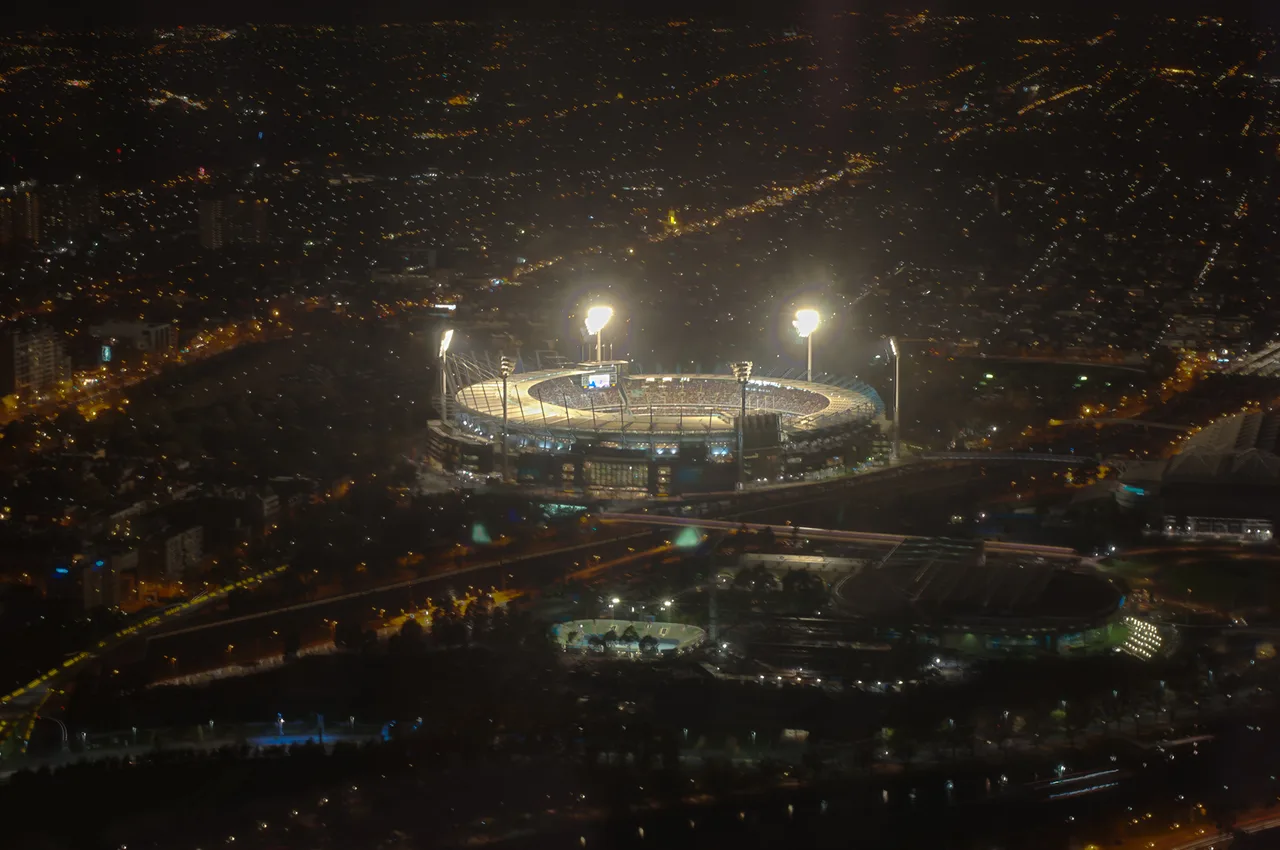
Mexico won 2-0, and almost nobody walked out of the Azteca talking about the football. That tells you most of what you need to know about the first night of World Cup 2026. South Africa had two players sent off and finished with nine. Mexico picked up a third red of their own in stoppage time, long after the result was decided and well after tempers had gone. The home side got their win, but they got it out of a scrappy, bad-tempered 90 minutes that felt less like a celebration and more like a warning. This tournament is not going to be gentle.
What actually happened in Mexico vs South Africa?
For an hour or so it was straightforward. Julián Quiñones put Mexico ahead in the 9th minute, finishing off Érik Lira’s pass before South Africa had properly settled, and Raúl Jiménez headed in Roberto Alvarado’s cross just after the hour to make it 2-0. Two goals, both well taken, a host nation in control. If you read our pre-match prediction or the opening match guide, that is more or less the game we expected.
The card count is the part nobody saw coming. Yaya Sithole was sent off for South Africa in the 49th minute. Themba Zwane, on as a substitute only since the 61st, then went for violent conduct in the 84th, and just like that Bafana Bafana were down to nine. César Montes collected one for Mexico too, dismissed in the second minute of added time with the game already over as a contest. Three reds and three yellows in a single match, on opening night, in front of a full house. The goals were the quiet bit of the evening.
Why three red cards on opening night?
Games do not come apart like this for no reason. An opener at home piles on the pressure — the crowd, the occasion, the weight of a whole country watching the first kick — and that heat ends up in the players’ legs and heads.
The Azteca is a hard place to come to on a quiet night, and this was not a quiet night. Mexico were carrying the job of starting the tournament; South Africa were carrying the freedom of nobody giving them a chance. So Bafana did what outgunned teams do. They got tight, got physical, tried to drag the game down to a level where one moment might save them. Once Sithole walked and the gap grew, that plan soured into frustration, and frustration is usually where the late, silly challenges come from.
How the referee read it mattered just as much. Whoever blows the first whistle of a World Cup sets a marker for the month ahead: call it tight and players adjust, let it run and the fouls stack up. Three dismissals points to a firm line. Mexico won, but they lost Montes for their next match, which is a genuine price for a host that wanted a clean, professional start. South Africa, who we looked at in Bafana’s 2026 return, head off with a beating and two suspensions to untangle.
Is this 2010 all over again — or something else?
There is an obvious bit of poetry here, and it is worth resisting a little. The 2010 World Cup also opened with South Africa against Mexico — a 1-1 draw in Johannesburg, the first World Cup on African soil, all colour and noise and goodwill. Sixteen years on, the same two teams kicked it off again, and for a moment it felt like the tournament nodding back at its own past.
The remake was rougher than the original, though. The venue has moved to Mexico City and the altitude Aguirre has built a plan around, which we got into in the Mexico tactical preview, and that friendly old 1-1 turned into a 2-0 with three men sent off. The idea of the opener as a warm global welcome has worn thin. A modern World Cup is a logistics machine as much as a party, and you could see that edge on the grass.
The rest of the schedule had the same feel. As Mexico’s night wound down, Group A rolled on with South Korea and Czechia, a tighter and more careful game than the opener — the sort of cagey four-team-group fixture that quietly settles who goes through. Our Group A preview gets into how close that table looks. Two games on the same day, two completely different temperatures, both pointing the same way.
What does opening day tell us about a three-country World Cup?
This is the part that keeps going after the final whistle. A World Cup split across three countries and 16 cities is not just a bigger version of the old one. It asks more of everyone in it.
For the teams, discipline is going to bite. If the day-one strictness holds across three host nations and a long roster of referees, squad depth starts to matter as much as star power, because somebody is always one booking away from sitting out the next game. Mexico found that out on night one.
For the fans, it comes down to travel and money, which is less romantic but a lot more real. Following a team around Mexico, the United States and Canada means flights, time zones and three different sets of border rules, and getting in has already been a problem for some supporters, as we covered in our report on World Cup 2026 visa issues. The noise that shook the Azteca does not turn up on its own. It is made of people who could afford the trip and were waved across the line. If you are trying to do the opening weekend yourself, our Mexico City fan guide has the practical side.
So what should we take from day one?
That this World Cup arrived with its elbows out. Mexico got the win they wanted and an ugly game they did not, and honestly the ugly part is the more useful signal. Three reds on opening night tell you the register the tournament is playing in: tense, physical, high-stakes, not a month-long party. The sides that get deep into it will be the ones who can take a suspension and carry on, ride a strict whistle, and lean on supporters who got through the visas and the airfares to be in the building. Nobody won anything on Thursday. But we did learn the mood.
Frequently Asked Questions
What was the score in Mexico vs South Africa at World Cup 2026?
Mexico beat South Africa 2-0 in the World Cup 2026 opener on June 11 at Estadio Azteca in Mexico City. Julián Quiñones scored in the 9th minute and Raúl Jiménez headed in the second on 67 minutes, set up by Roberto Alvarado. The scoreline was comfortable, but the match is remembered for its discipline record rather than the goals.
How many red cards were there in the World Cup 2026 opener?
Three. South Africa's Yaya Sithole was sent off in the 49th minute and Themba Zwane in the 84th for violent conduct, leaving Bafana Bafana with nine men. Mexico's César Montes was then dismissed in second-half stoppage time. There were also three yellow cards. It was one of the most ill-tempered World Cup opening matches in recent memory.
Was the 2026 opener a repeat of 2010?
In a sense, yes. The 2010 World Cup opened with South Africa drawing Mexico 1-1 in Johannesburg, a celebratory night marking the first World Cup on African soil. In 2026 the same fixture opened the tournament again, but with the venue flipped to Mexico City and a much rougher edge — 2-0, with three players sent off rather than a shared occasion.
Who else played on World Cup 2026's opening fixtures?
Group A carried on with South Korea facing Czechia as the opening slate got underway, and the host United States also began their campaign against Paraguay. The early matches set the texture of the tournament: tense, physical, and shaped as much by conditions and officiating as by individual quality.
People Also Ask
Data sources
- FIFA — World Cup 2026 official tournament hub (fixtures and results)
- ESPN — Mexico vs South Africa match report and timeline
- ESPN — FIFA World Cup scores, fixtures and standings hub
- FIFA — 2010 World Cup archive (South Africa 1-1 Mexico opener) — Match facts checked against the live ESPN timeline for the June 11 opener. The framing — tension over romance — is editorial analysis by the WTK Sports desk.
Published: