Netherlands 2-2 Japan: World Cup 2026 Group F Recap
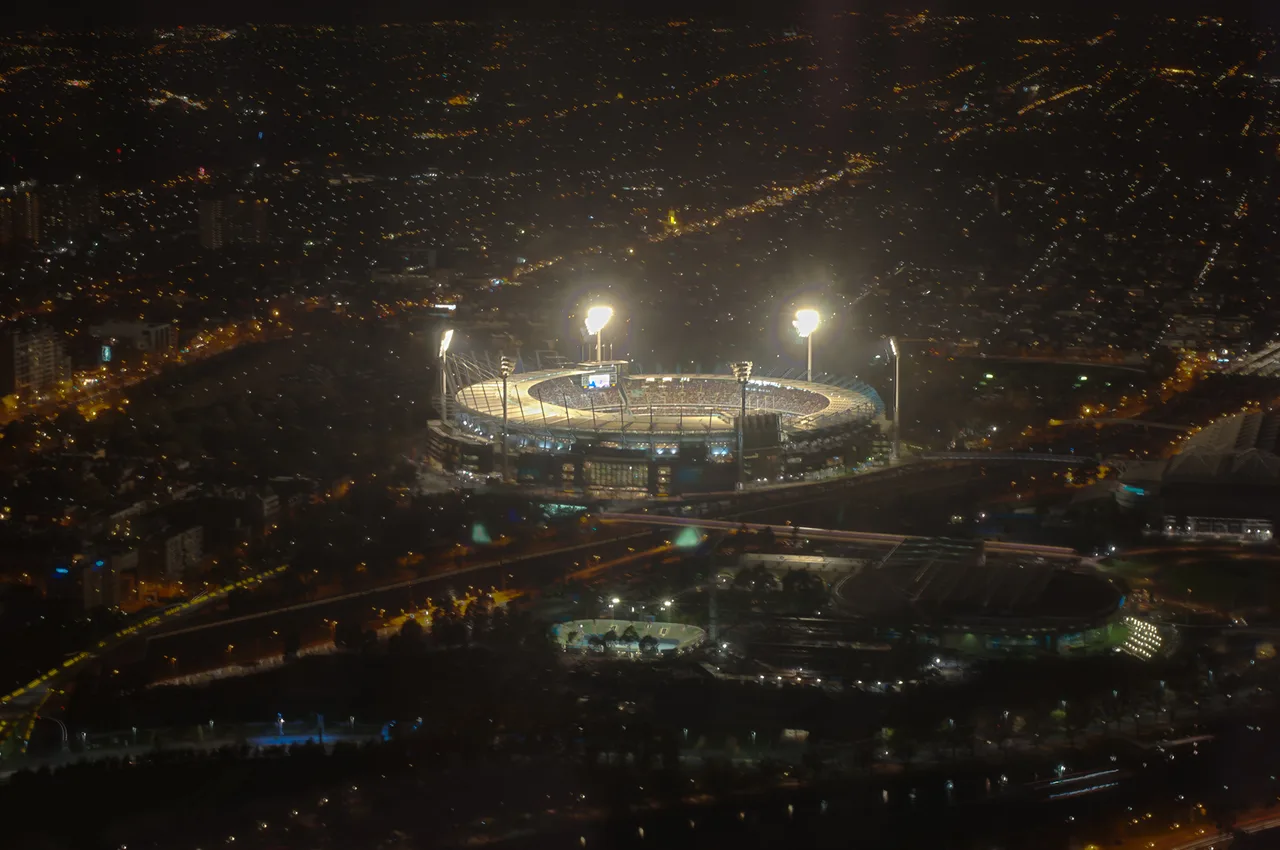
Twice the Netherlands went ahead in Arlington. Twice Japan answered. And when Daichi Kamada climbed to head in a corner with a minute of normal time left, the Samurai Blue had a point that, on the run of play, they had little right to expect. Netherlands 2-2 Japan opened Group F on June 14, and it told you most of what you need to know about a group where nobody is going to coast through.
What Happened in Netherlands vs Japan at World Cup 2026?
The opening 45 minutes gave nothing away. Both sides probed, the game paused twice for drinks breaks in the Texas heat, and the teams went in level at 0-0 — a cagey start to a group that had been billed as the tournament's most evenly matched.
It opened up after the break. Van Dijk headed the Netherlands in front on 51 minutes, climbing to meet a Gravenberch cross from a set piece. Japan answered almost immediately: on 57, Keito Nakamura cut inside and drove a right-footed shot from outside the box into the bottom corner, with Kubo supplying the pass. The lead changed hands again on 64, Summerville sweeping in Gravenberch's second assist of the night to make it 2-1. That looked like it would be enough — until Kamada's header at the death. We had the Dutch winning in our pre-match prediction, and for 25 minutes after Summerville scored, it looked right.
How Did Japan Come From Behind Twice?
Japan have done this before, and not long ago. The resilience that floored Germany and Spain in 2022 turned up again: go a goal down, stay calm, find the response. The first equaliser was a piece of quality, Kubo picking the pass and Nakamura drilling it in from outside the box, the quick counter Hajime Moriyasu has built his side around.
The second was about persistence. After Summerville made it 2-1, Japan kept changing the game rather than chasing it in a panic. Moriyasu went to his bench early, brought Junya Ito on, then made a triple switch on 75 minutes and sent Kento Shiogai on for Ayase Ueda, all of it aimed at the goal rather than the clock. With the Netherlands dropping a little deeper to protect the lead, the corner finally came, and Kamada was on the end of it. For how Moriyasu builds a side this stubborn, see our Japan tactical preview.
Why Did Daichi Kamada's 89th-Minute Equaliser Matter?
One point against a Pot 1 side is a good night's work, but the way it arrived made it better. Kubo, Japan's best player on the night and the man who made the first goal, had limped off injured on 72 minutes. On came Koki Ogawa, and 14 minutes later it was Ogawa's corner that Kamada met to make it 2-2. The substitute set up the goal that saved the game, which says plenty about how deep this Japan squad runs.
One thing worth clearing up: the goal is timed at 89 minutes, not the 88 that did the rounds early on. Either way it was close to the last meaningful touch of normal time. In a group this tight, one point rather than none could end up deciding who goes through, and Japan banked it. It changes their matchday-2 game too. Rather than needing to chase, they head into Japan vs Tunisia with a chance to take charge of the second-place race.
How Did the Netherlands Let a 2-1 Lead Slip?
For an hour this was a controlled Dutch performance. Gravenberch ran midfield and had a hand in both goals, van Dijk was commanding at the back, and 2-1 looked like the base for a comfortable evening. Then the changes came, and the grip loosened.
Koeman made a triple switch of his own on 70 minutes, bringing on Memphis Depay, Teun Koopmeiners and Quinten Timber, with two more to follow. Rotating early is fair enough with another game four days away, but the rhythm dipped, and a team protecting a one-goal lead has to see out the last ten minutes better than the Netherlands managed. Conceding from a corner at 89 minutes, having been the likelier winners, will gnaw at Koeman more than the two dropped points. The detail on his squad and shape is in our Netherlands tactical preview.
Who Stood Out for Japan and the Netherlands?
- Ryan Gravenberch (Netherlands) — two assists, the architect of both Dutch goals and the best player on the pitch for an hour before he was withdrawn on 81 minutes.
- Daichi Kamada (Japan) — popped up where it mattered, his 89th-minute header turning a defeat into a point.
- Takefusa Kubo (Japan) — assisted the first equaliser and was Japan's brightest spark until injury forced him off; his fitness is now the story before Tunisia.
- Koki Ogawa (Japan) — on for the injured Kubo, off the bench to deliver the assist that rescued the game.
- Virgil van Dijk (Netherlands) — led from the front with the opening goal, but will rue the corner his side failed to clear at the death.
The numbers told the story of a Dutch side on top without the cutting edge to finish it: roughly 60% possession and six shots on target to Japan's three, but the same two goals on the board. See the full squads on our Japan and Netherlands team pages.
What Does the 2-2 Draw Mean for Group F?
It keeps everything open. Both teams sit on a point, and with Group F drawn as the "no underdog" group — four nations with World Cup pedigree and no debutant — the table was always likely to stay bunched. Nobody blinked first.
Matchday 2 on June 20 now shapes the group. The Netherlands take on Sweden while Japan face Tunisia, and a win in either game would hand that side real control of the qualification picture. Japan, in particular, will fancy moving to four points and all but securing a knockout place if they can break down Tunisia's deep block — though they may have to do it without Kubo. The full picture is in our Group F preview.
What's Next for the Netherlands and Japan?
Both are straight back out on June 20. The Netherlands meet Sweden, a game that could define their group, while Japan turn their attention to Tunisia in Monterrey. For Koeman, the job is to convert dominance into goals and not to repeat the late lapse that cost two points here. For Moriyasu, it is the opposite challenge — having defended and countered against the Dutch, Japan now have to be the team breaking a packed defence down, and Kubo's fitness will shape how they go about it.
Read on: our Japan vs Tunisia prediction, the Japan 26-man squad guide, and the Netherlands squad guide.
Frequently Asked Questions
For more on the group, see the Group F preview, our Japan vs Tunisia prediction, and the Japan and Netherlands team pages.
Frequently Asked Questions
What was the final score of Netherlands vs Japan at World Cup 2026?
Netherlands 2-2 Japan. The match, Group F's opening fixture, was played on June 14, 2026 at Dallas Stadium in Arlington, Texas (FIFA's tournament name for AT&T Stadium). Virgil van Dijk put the Netherlands ahead on 51 minutes, Keito Nakamura equalised on 57, Crysencio Summerville restored the Dutch lead on 64, and Daichi Kamada headed Japan level again in the 89th minute. Both sides took a point from a game the Netherlands had led twice.
Who scored in Netherlands 2-2 Japan?
Four different players scored. For the Netherlands, captain Virgil van Dijk headed in a Ryan Gravenberch cross on 51 minutes, and Crysencio Summerville made it 2-1 on 64 with a left-footed finish, also set up by Gravenberch. For Japan, Keito Nakamura levelled at 1-1 on 57 with a strike from outside the box assisted by Takefusa Kubo, and Daichi Kamada headed the 89th-minute equaliser from a Koki Ogawa corner.
When did Daichi Kamada score the equaliser against the Netherlands?
Kamada scored in the 89th minute, not the 88th as some early reports had it — the official record times the goal at 89'. It was a header from the centre of the box into the top corner, met from a corner delivered by Koki Ogawa, who had only come on at 75 minutes as a replacement for the injured Takefusa Kubo. It rescued a 2-2 draw with virtually the last action of normal time.
Was Takefusa Kubo injured against the Netherlands?
Yes. Kubo, who had assisted Keito Nakamura's first equaliser, picked up a knock and was substituted on 75 minutes, replaced by Koki Ogawa. Japan will monitor him closely before their matchday-2 game against Tunisia on June 20, where — with Kaoru Mitoma already ruled out of the tournament with a hamstring injury — Kubo is the side's main creative outlet against a deep block.
What does the 2-2 draw mean for Group F?
It leaves the group balanced. Both the Netherlands and Japan take a point from the opener, so nobody pulled clear on matchday 1. On June 20 the Netherlands face Sweden and Japan face Tunisia; a win in those games would give either side real control of the qualification race. Group F was drawn without an obvious weak team — four sides with World Cup history — so the table is expected to stay tight, with the expanded 48-team format's best-third-place route adding another layer.
Where was Netherlands vs Japan played and how was the match?
At Dallas Stadium in Arlington, Texas, FIFA's tournament name for AT&T Stadium, on June 14, 2026 (a 05:00 dawn kickoff back in Japan). The Netherlands controlled possession at roughly 60% and had more shots on target, but Japan's two equalisers and their refusal to fold turned a likely defeat into a point. It was the kind of resilient performance that recalled Japan's run to the last 16 in 2022.
People Also Ask
Data sources
- FIFA — World Cup 2026 official fixtures and Group F results
- JFA (Japan Football Association) — official Samurai Blue team news
- KNVB (Royal Dutch Football Association) — official Oranje team news
- Wikipedia — 2026 FIFA World Cup Group F
Published: